Best Podcast Microphones
According to The Cut List, 3 great picks for the best podcast microphones are Logitech Yeti Multi-Pattern USB Microphone with Blue VO!CE, Maono PD200W Hybrid Podcasting Microphone, and RØDE PodMic USB Dynamic Broadcast Microphone.
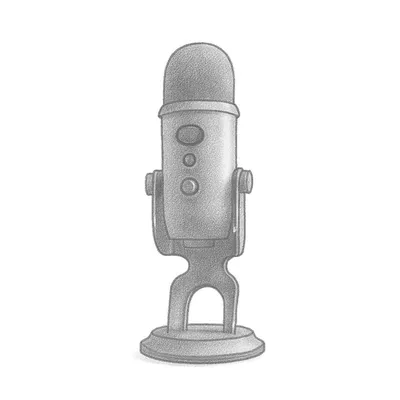
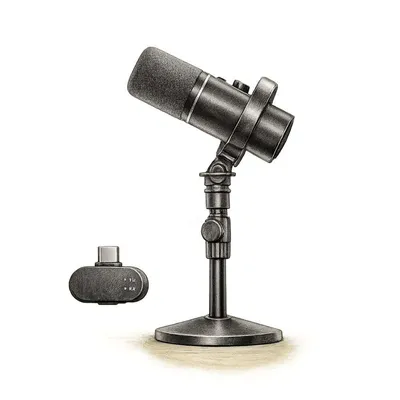
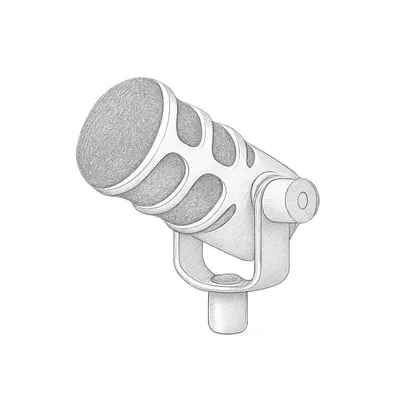
Podcast microphones are specialized audio devices designed to capture crystal-clear sound, essential for creating high-quality podcast content. With the surge in podcasting popularity, having a reliable and professional microphone has become pivotal for both novice and seasoned podcasters aiming to ensure their message is conveyed clearly and effectively. These microphones focus on minimizing background noise while capturing voice tonality, making them perfect for storytelling, interviews, or solo commentary. They are indispensable tools that elevate your audio production value, making your podcasts sound as polished and engaging as those produced by top professionals in the industry.
How We Select the Best Products
At The Cut List, our approach to selecting the top 3 podcast microphones involves a comprehensive process combining deep industry knowledge and insights from reputable sources. Our experienced shopkeepers scrutinize suggestions from reliable sources. We remain vigilant against biased reviews and misinformation, ensuring our recommendations are trustworthy. Our Interesting Finds Ads program facilitates ongoing collaboration with industry experts, enhancing the depth and accuracy of our findings over time.
Considerations When Buying
When choosing the best podcast microphones, several considerations can guide you toward the ideal option tailored to your needs:
- Microphone Type: Decide between dynamic and condenser microphones. Dynamic microphones are durable and great for untreated spaces, while condenser mics offer higher sensitivity for capturing nuance.
- Connectivity: Choose between USB microphones, which offer plug-and-play simplicity, and XLR microphones, which provide superior audio quality but require additional equipment.
- Polar Pattern: Cardioid patterns are great for single voice capture, reducing background noise, while omnidirectional mics pick up sound from all directions, ideal for group settings.
- Budget: Balance cost with needs; while entry-level models offer great sound, investing in professional-grade equipment can significantly improve production quality.
Variations or Subcategories
Podcast microphones come in various types to suit different recording environments and needs. **USB microphones** are favored by beginners for their ease of use and compatibility with computers. **XLR microphones** are preferred by professionals who value higher quality and flexibility. Additionally, some podcasts benefit from **lavaliere microphones**, particularly when mobility is required, such as in live shows or dynamic recording scenarios. Understanding these different kinds of podcast microphones is key to choosing the one that best fits your recording style and setup.
Why Buying Podcast Microphones Direct is Better for Everyone
Purchasing podcast microphones directly from manufacturers provides substantial benefits to consumers and brands alike. By eliminating intermediaries, consumers can access competitive prices and enjoy exclusive benefits or warranties offered by the brand directly. This also allows brands to secure better profit margins, enabling reinvestment in innovation and enhancing product quality. Such a direct purchase approach fosters a mutually beneficial environment where brands can develop superior podcast microphones, and consumers benefit from greater value. Avoiding monopolistic middlemen helps maintain fair pricing and reduces unnecessary markups, creating a market where the exchange is directly beneficial for both parties.
Explore Categories in San Diego




Explore Product Categories