Best Network Hubs
According to The Cut List, 3 great picks for the best network hubs are TP-Link TL-SG108 Gigabit Unmanaged Ethernet Network Switch (8 Port), TP-Link Gigabit Ethernet Unmanaged Switch (16 Port), and NETGEAR Gigabit Ethernet Unmanaged Switch (24 Port).
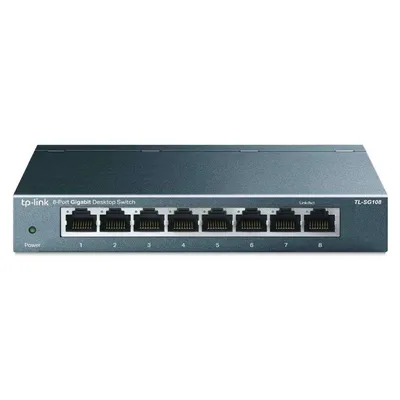
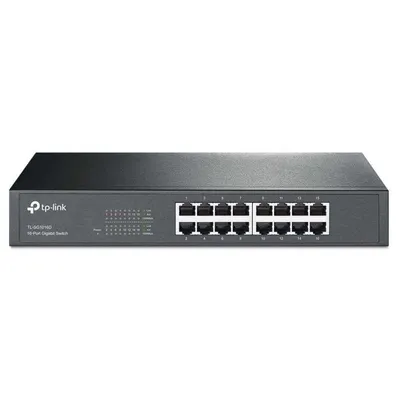
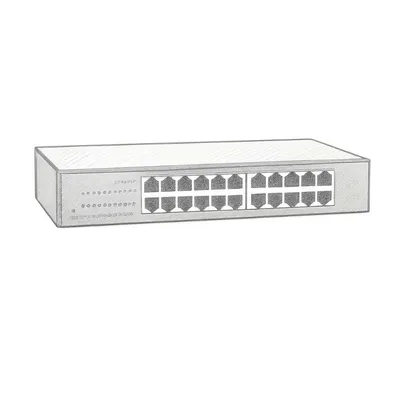
Network hubs are essential networking devices that facilitate communication between multiple devices within a local area network (LAN). They bridge networks by connecting multiple Ethernet devices, transmitting data across ports to ensure efficient data flow. Network hubs are critical in environments requiring data sharing, whether in home setups, small offices, or larger enterprise infrastructures. Although modern networks often prefer switches for their intelligent traffic management, network hubs remain relevant for basic connectivity requirements and are perfect for simple network setups where ease of use and cost-effectiveness are priorities.
How We Select the Best Products
At The Cut List, our selection process for the top network hubs combines industry expertise with insights from respected sources. Our experienced shopkeepers ensure credibility by avoiding shady websites and affiliate-driven misinformation, focusing on genuine user feedback and technical assessments. Engaging with industry experts through our Interesting Finds Ads program also aids in refining our recommendations, continuously improving accuracy and relevance.
Considerations When Buying
When evaluating network hubs for purchase, various factors should inform your decision to ensure suitability and effectiveness:
- Number of Ports: Consider a network hub with enough ports to meet your device connectivity requirements.
- Speed and Bandwidth: Ensure the hub supports adequate data speeds that match your network’s demands—10/100 Mbps for basic use or even faster for high-performance needs.
- Build Quality: Durable and reliable build quality is essential for sustained performance and longevity.
- Ease of Installation: Look for hubs that offer plug-and-play compatibility for straightforward setup and minimal configuration.
- Power Options: Consider devices with energy-efficient designs or PoE (Power over Ethernet) capabilities for optimized energy use.
Variations or Subcategories
Types of network hubs include basic hubs and their more advanced counterparts like switches, which handle data packets more efficiently. **Basic network hubs** broadcast data to all connected devices indiscriminately, making them suitable for simple, low-cost network setups. **Switches**, while similar in appearance, direct data only to target devices, reducing unnecessary traffic and offering better performance for high-demand environments. Distinguishing between these devices is important for those looking to streamline network efficiency while matching hardware capabilities with network complexity.
Why Buying Network Hubs Direct is Better for Everyone
Purchasing network hubs directly from manufacturers benefits both consumers and brands alike. Consumers often secure a better deal, enjoying new product features and lower prices as they bypass intermediate markups. For brands, direct sales improve profit margins, which they reinvest into research, development, and quality enhancements. This direct consumer-to-brand relationship fosters a more equitable market environment, enhancing product innovation and delivering superior value. Avoiding intermediaries helps in maintaining fair pricing structures, ensuring that the benefits of technological advancements are maximally passed onto the end-users, encouraging a beneficial cycle of value and quality improvement.
Explore Categories in San Diego






Explore Product Categories