Best Cribs
According to The Cut List, 3 great picks for the best cribs are West Elm Mid-Century 4-in-1 Convertible Crib, daVinci Kalani 4-in-1 Convertible Crib, and IKEA Sundvik Crib.
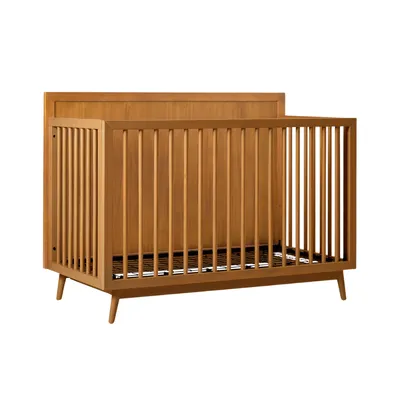

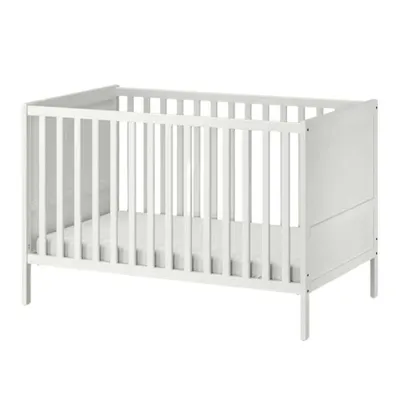
Baby cribs are purpose-built sleep environments designed to support infant and toddler safety, comfort, and healthy development. They are typically used from infancy through the early toddler years and serve as a primary sleep space within the home. Unlike temporary sleep solutions, cribs are engineered for long-term daily use and must meet strict safety and durability standards.
The primary purpose of a crib is to provide a secure, stable, and comfortable place for a child to sleep and rest. Key design features often include sturdy frames, fixed or adjustable mattress heights, slatted sides for airflow and visibility, and smooth, durable finishes. Compared to bassinets or portable sleepers, cribs offer greater longevity, higher weight capacity, and adaptability as a child grows.
Cribs benefit families seeking a reliable, long-term sleep solution that balances safety with comfort. They are especially valuable for parents planning a dedicated nursery or looking for furniture that can support consistent sleep routines from infancy through toddlerhood.
How We Select the Best Products
Our evaluation process for the best baby cribs is led by experts in infant safety, nursery furniture design, and child development. We focus on objective, performance-based criteria that reflect real-world use and long-term reliability.
Key assessment areas include structural integrity, material quality, mattress support systems, and overall durability. Safety is a primary focus, including adherence to recognized safety standards, proper slat spacing, non-toxic finishes, and stability. We also consider usability factors such as ease of assembly, mattress height adjustability, and maintenance.
Customer satisfaction insights and data from trusted third-party review platforms help validate performance and long-term user experience. To ensure trust and transparency, we deliberately avoid affiliate-driven or promotional bias, prioritizing evidence-based evaluation and caregiver-focused outcomes.
Considerations When Buying
When choosing the baby crib for your home, the following factors play a critical role in safety, comfort, and usability:
-
Safety Standards & Certifications: Compliance with current safety guidelines helps reduce risks and ensures proper design.
-
Construction & Stability: Solid materials and a sturdy frame support daily use and long-term durability.
-
Mattress Fit & Support: A snug-fitting mattress and reliable support system help maintain safe sleep conditions.
-
Adjustable Mattress Heights: Multiple height settings allow the crib to adapt as the child grows and becomes more mobile.
-
Materials & Finishes: Smooth, durable, and easy-to-clean surfaces support hygiene and long-term appearance.
-
Assembly & Maintenance: Clear instructions and accessible components make setup and ongoing care easier.
-
Longevity & Adaptability: Designs that support extended use offer greater long-term value.
Each of these considerations contributes to a safe sleep environment and a smoother caregiving experience.
Variations or Subcategories
Cribs are available in several variations to accommodate different spaces, preferences, and stages of growth:
-
Standard Cribs: Traditional full-size designs intended for long-term, stationary use.
-
Convertible Cribs: Designs that transition into toddler beds or other configurations as children grow.
-
Mini or Compact Cribs: Smaller-footprint options suited for limited spaces or shared rooms.
-
Portable Cribs: Lightweight or foldable designs designed for mobility and temporary use.
-
Adjustable or Modular Cribs: Flexible designs that allow customization over time.
Each subcategory serves different household needs, from space efficiency to long-term adaptability.
Why Buying Baby Cribs Direct Is Better for Everyone
Buying cribs directly from manufacturers often provides greater transparency and confidence for families. Direct purchasing allows caregivers to access detailed information about materials, safety testing, and design intent, helping support informed decisions.
Eliminating intermediaries can lead to clearer pricing structures and more direct access to customer support, warranties, and replacement parts. Manufacturers benefit from direct consumer feedback, enabling continuous improvement in safety, comfort, and design innovation.
For families, buying direct supports trust, accountability, and long-term satisfaction. For brands, it fosters responsible product development and higher safety standards—ultimately benefiting children, caregivers, and the broader infant care community.
Explore Categories in San Diego






Explore Product Categories